
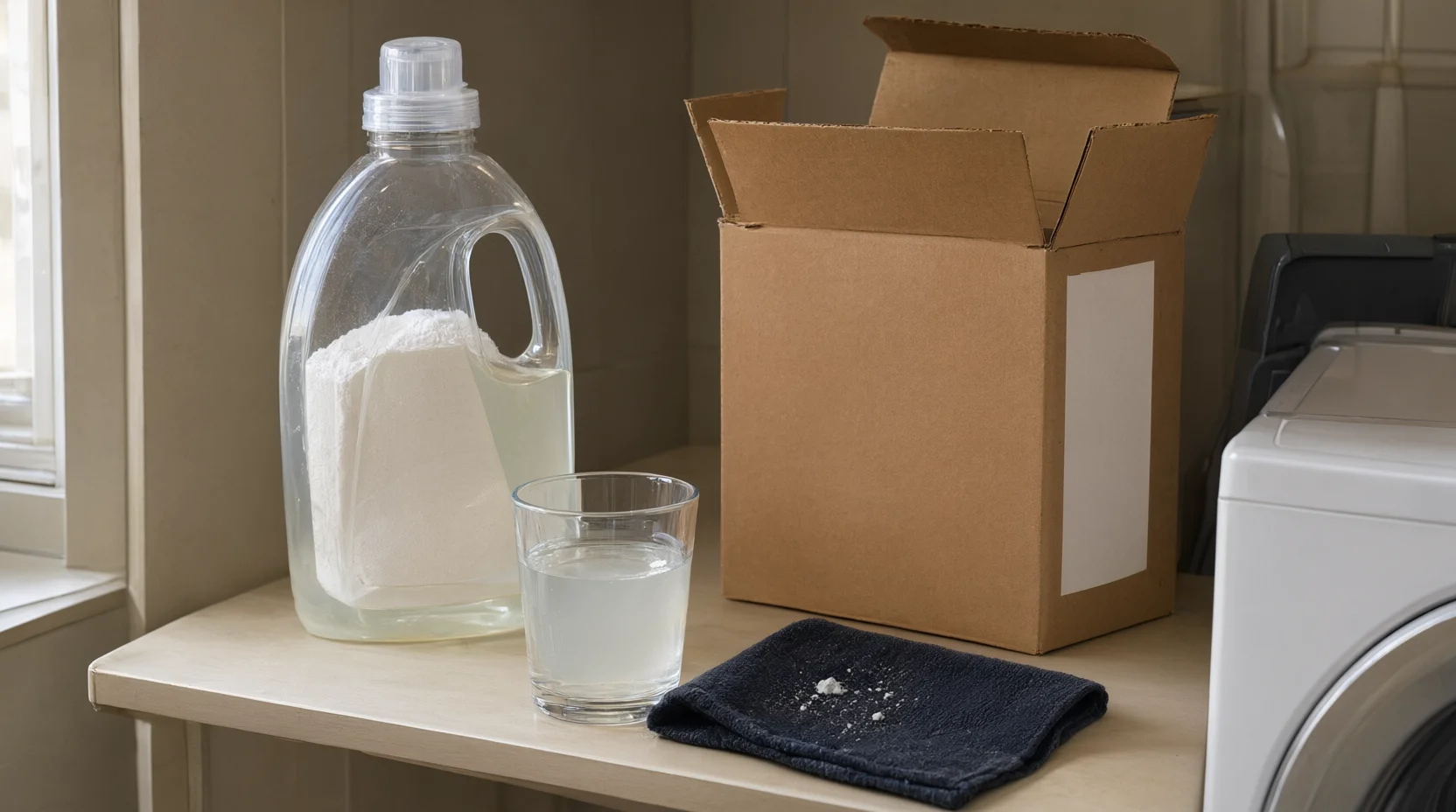
Neither liquid nor powder laundry detergent is universally better in hard water. The more useful distinction is whether a formula contains enough detergent builders to bind calcium and magnesium ions before those minerals interfere with cleaning. Powder detergents are often built with inorganic water softeners such as sodium carbonate or zeolites, while liquid detergents more often rely on soluble organic builders like sodium citrate or MGDA at lower levels. In very hard water, an unbuilt liquid may underperform unless you add a separate water softener or choose a formula designed for hard water. Your water hardness, wash temperature, machine type and the specific product label all affect the outcome.
How Hard Water Interferes with Detergent Cleaning
Hard water contains dissolved calcium and magnesium ions. These ions compete with the surfactants in detergent for the same job: lifting soil from fabric and holding it in the wash water. When hardness minerals react with certain detergent ingredients, they can form insoluble compounds that reduce cleaning efficiency and may deposit on fabrics or inside the machine.
Builders are formulation ingredients added specifically to counteract this interference. They work by sequestering hardness minerals, precipitating them out of solution or exchanging ions so the surfactants can do their job. The builder content of a detergent matters more in hard water than in soft water, where there are fewer minerals to compete with the cleaning agents.
Liquid vs Powder: How Builder Content Differs
Powder detergents are typically built products. Common inorganic builders include sodium carbonate, zeolite 4A and, in some markets, phosphates. Modern phosphate-free powder formulations often combine zeolite with a polycarboxylate co-builder to improve performance. These ingredients are stable in dry form and can be included at meaningful levels.
Liquid detergents are more often unbuilt or lightly built. Formulation stability limits how much solid builder a liquid can hold, so liquids tend to use soluble organic builders such as sodium citrate, MGDA or GLDA. These can be effective, but the total builder loading is often lower than in a powder. Some liquids are formulated with higher builder levels for hard-water markets, so the form alone does not tell you the whole story.
The practical implication is that a well-formulated built liquid can outperform a poorly built powder, and a powder with insufficient builder may leave residue or clean poorly in very hard water. Check the ingredient list for builder names rather than assuming that powder always softens water or that liquid never does.
Dissolution, Residue and Temperature Considerations
Powders can fail to dissolve completely in cold water or very hard water. Undissolved particles may remain on dark fabrics as a white residue or accumulate in the dispenser drawer and drum. Warm or hot water improves powder dissolution, but higher temperatures use more energy and may set some stains.
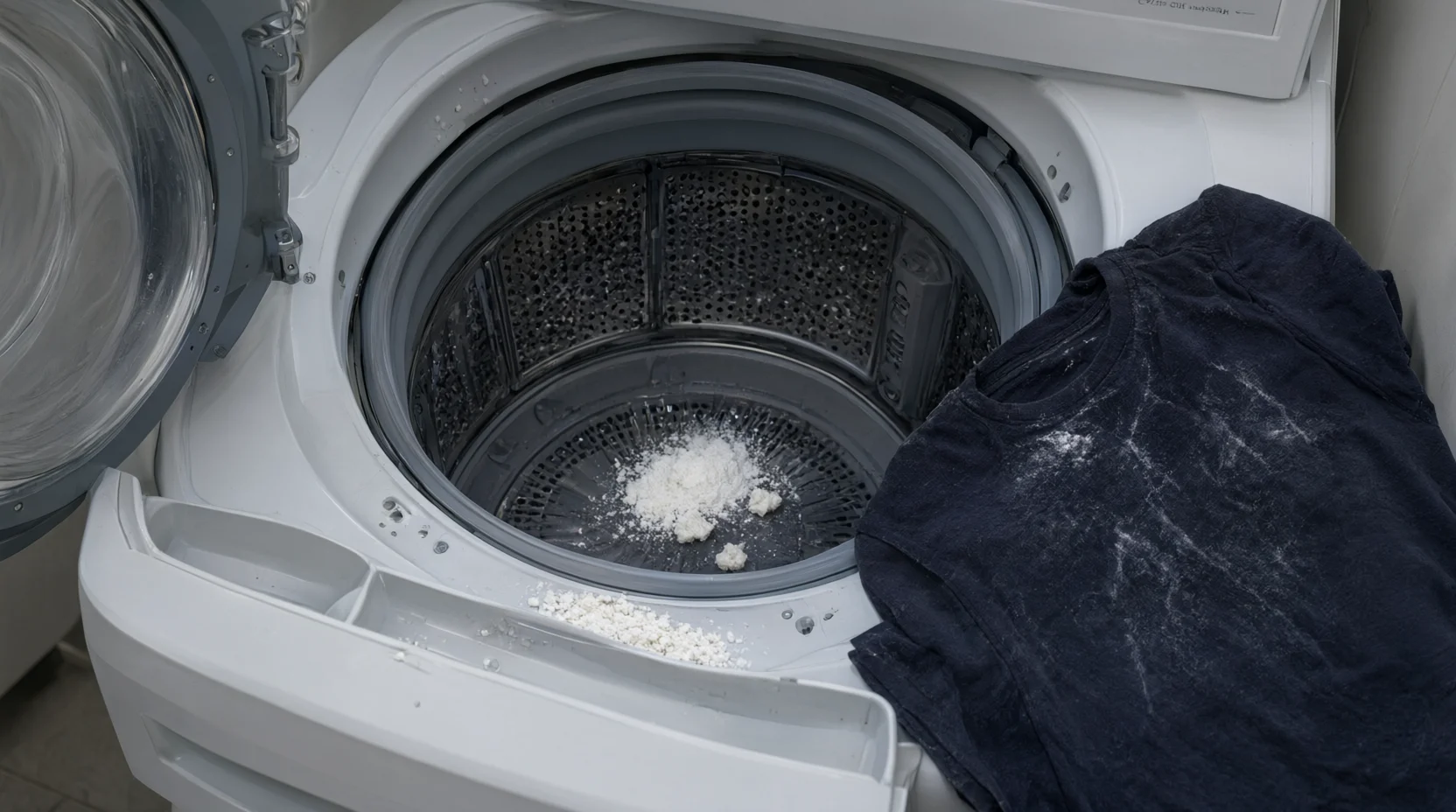
Liquids generally disperse immediately regardless of water temperature, which reduces the risk of visible residue on fabrics. That advantage does not remove the need for correct dosing: an overdosed liquid can still leave a sticky film or cause excess suds that trap soil. Residue from either form can build up in the machine over time, so periodic cleaning of the dispenser and drum is useful regardless of which detergent you choose.
If you already see white marks on dark clothes after washing with powder, the cause may be undissolved detergent, hardness minerals or both. A separate guide on why powder laundry detergent leaves white residue on dark clothes covers diagnosis and fixes in more detail.
Adjusting Detergent Amount for Water Hardness
Product labels are the authoritative source for baseline dosing. Many labels include adjustment guidance for water hardness, load size and soil level. Follow those instructions before making your own changes.
Hard water usually calls for more detergent than soft water, because a portion of the surfactants and detergent builders binds to minerals instead of cleaning the fabric. Simply adding more detergent, however, is not a reliable fix. Too much detergent can make residue problems worse, create excess suds and leave fabric stiff without improving cleaning. If you consistently need to exceed the dose recommended on the label, a separate water-softening additive or a detergent formulated for hard water is often a better solution than repeated overdosing.
For a step-by-step explanation of how to interpret dosing tables and measuring marks, see how to read laundry detergent dosing instructions for HE and standard washers.
At a Glance: Liquid and Powder in Hard Water Conditions
The table below summarizes the typical differences between the two forms. Actual performance depends on the specific formula, not on the physical form alone.
| Comparison dimension | Powder detergent | Liquid detergent |
|---|---|---|
| Typical builder content | Often formulated with inorganic builders such as sodium carbonate or zeolites; builder levels can be relatively high | Often unbuilt or lightly built with soluble organic builders such as citrate or MGDA; levels vary by formula |
| Dissolution behavior | May dissolve slowly or incompletely in cold or very hard water | Generally disperses quickly at most wash temperatures |
| Residue tendency | Higher risk of visible white residue if the detergent does not fully dissolve or if hardness minerals precipitate | Lower risk of visible residue, though overdosing can still leave a film or excess suds |
| Temperature flexibility | Performs best in warm or hot water; cold-water performance depends on the formula | Works across a wide temperature range |
| Suitability notes by hardness level | May be the better choice in hard water if the formula is built; check the label for builder ingredients | In very hard water, may need a separate softener or a formula designed for hard water |
The table compares typical tendencies, not guaranteed outcomes. A powder with too little builder may underperform in hard water, while a liquid with a well-designed builder system may perform well. Always check the ingredient list and the label's guidance on water hardness.
Choosing and Using Detergent for Your Water
Use the following conditional guidance to match your detergent choice to your washing conditions.
- Moderately hard water with warm washes: Either form can work. Check the label for detergent builders such as sodium carbonate, zeolite or citrate, and follow the dosing instructions for your water hardness.
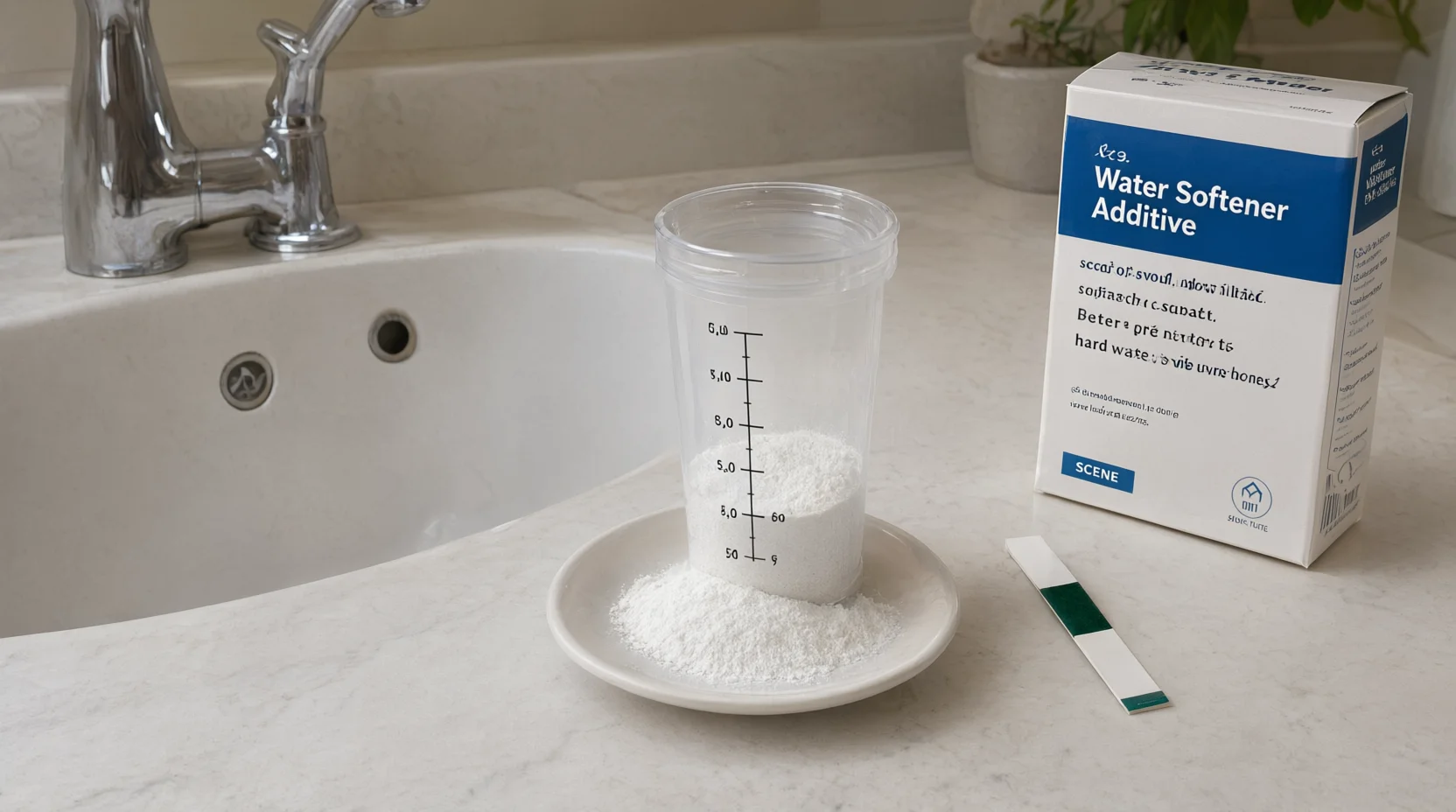
- Very hard water with cold washes: A built powder or a liquid formulated for hard water is more likely to perform well. If neither is available, consider a separate water softener additive, following its manufacturer's guidance.
- Dark fabrics and cold-water washing: Liquids may leave less visible residue, but correct dosing and adequate rinsing matter more than the form alone. If you use powder, check for undissolved particles before drying.
- High-efficiency machines: Use HE-compatible products and follow the dispenser instructions to avoid clumping or blockages. Powder used in an HE machine should carry the HE symbol and be used on warm or hot cycles where the label allows.
- Persistent stiffness, dullness or residue: Clean the machine periodically with a designated cleaner or a suitable rinse aid, and review both your detergent dose and your water hardness.
For readers who prefer a pre-measured format, laundry pods are another option, but their builder content and dissolution behavior also vary by formula. The choice between liquid, powder and pods should rest on the same questions: what builders are present, what water hardness the product is designed for, and whether the dosing fits your machine and load.